
Building an AI Content Marketing Team to Attract New Customers (with Ani Hoang)
Listen on your favourite platform
| Platform | Link |
|---|---|
| YouTube | Listen on YouTube → |
| Transistor | Listen on Transistor → |
| pod.link | Listen on pod.link → |
| Deezer | Listen on Deezer → |
| Pocket Casts | Listen on Pocket Casts → |
| Podverse | Listen on Podverse → |
| Castro | Listen on Castro → |
| Listen Notes | Listen on Listen Notes → |
| getpodcast | Listen on getpodcast → |
| Spotify | Listen on Spotify → |
| Amazon Music | Listen on Amazon Music → |
| Podcast Addict | Listen on Podcast Addict → |
| Podchaser | Listen on Podchaser → |
| Steno.fm | Listen on Steno.fm → |
What Does “Building an AI Content Marketing Team to Attract New Customers (with Ani Hoang)” Talk About?
This episode of the James Dooley Podcast dives into the practical steps of building a video-first content marketing team designed to attract new customers in the age of AI. James Dooley and Ani Hoang open by establishing why video has become the dominant medium, referencing a study showing that 53% of citations within large language models like ChatGPT are video, with YouTube accounting for the largest share. They discuss how video content supports both organic search rankings and AI visibility, and why business owners who simply hire a video editor without a clear strategy often end up with videos that max out at a few hundred views.
The bulk of the conversation maps out the ideal content marketing team, role by role. Ani outlines the need for a creative strategist, a copywriter to turn strategy into scripts, a videographer, a post-production manager, a video editor, and a graphic designer. They debate which roles can be merged for budget efficiency and how feedback from underperforming ads should loop back to the creative strategist to improve future campaigns. The episode also covers the psychology behind high-performing ad formats, including why filming in a car tends to outperform polished studio setups for certain meta ad campaigns, and how relatability drives engagement. For those without a large budget, Ani offers practical alternatives like using Canva for graphic design, CapCut for video editing, and outsourcing media buying.
“53% of citations within LLMs is video.”
— Ani Hoang
Who Are the Guests on “Building an AI Content Marketing Team to Attract New Customers (with Ani Hoang)”?
Ani Hoang is a digital marketing specialist and content strategist with hands-on experience building video content marketing teams for multiple businesses. She has run meta ad campaigns, demand generation initiatives, and conference sponsorship content, and brings deep expertise in creative strategy, media buying, and AI-era visibility. Her practical approach to scaling video content production makes her a go-to advisor for business owners looking to attract customers through both paid and organic channels.
James Dooley is the host of the James Dooley Podcast and a recognised figure in SEO and lead generation. He brings first-hand experience running paid social campaigns and building organic content strategies, and is known for co-founding PromoSEO, a lead generation agency recently recognised as the best in the content marketing agency space. Throughout the episode, James plays the role of both interviewer and participant, sharing his own experiences with video ad testing and split-testing creative variations.
What Are the Key Takeaways From “Building an AI Content Marketing Team to Attract New Customers (with Ani Hoang)”?
Here are the key points discussed in this episode:
- Video is now the dominant format for both organic search and AI visibility, with 53% of LLM citations coming from video content, making it essential for any content marketing strategy.
- A high-performing content marketing team requires clearly defined roles including a creative strategist, copywriter, videographer, post-production manager, video editor, and graphic designer, each with a distinct function in the production pipeline.
- Creative feedback loops are critical to campaign performance, and when video ads underperform, the issue should be traced back to the creative strategist who initiated the workflow so adjustments can be made systematically.
- Relatability in video settings, such as filming in a car rather than a polished studio, can significantly boost engagement on platforms like Facebook and Instagram because audiences connect with familiar, unscripted environments.
- Business owners without large budgets can still build an effective content marketing operation by handling creative strategy, acting, and editing themselves using free tools like Canva and CapCut, and outsourcing only the media buying component.
“The most important part is like what idea you want, what offer you want to sell, and then you could do this whole show by yourself.”
— Ani Hoang
Is “Building an AI Content Marketing Team to Attract New Customers (with Ani Hoang)” Worth Listening To?
This episode is worth listening to for anyone who has been told to just start making videos without being given any framework for how to actually do it well. Ani Hoang does not just talk in abstractions. She walks through a complete production pipeline from the creative strategist who determines hooks, backgrounds, and campaign concepts all the way through to the media buyer who tests and iterates on live ads. The discussion of why filming in a car outperforms studio content on meta ads, and the nuanced reasoning behind it including the psychology of relatability and the rawness of unplanned footage, is the kind of practical insight that is hard to find in typical marketing content.
What sets this episode apart is its dual usefulness for both well-funded teams and solo operators. The unlimited budget thought experiment gives a clear picture of the ideal team structure, while the second half of the conversation brings it back to earth with actionable advice for bootstrapped business owners using tools like CapCut and Canva. The conversation between James and Ani feels natural and candid, with real examples from their own campaigns, making the advice feel tested rather than theoretical. Anyone building or refining a content marketing operation will come away with a clearer sense of what roles matter most and why.
Who Should Listen to “Building an AI Content Marketing Team to Attract New Customers (with Ani Hoang)”?
This episode is ideal for:
- Business owners who are producing video content but not seeing meaningful results and want to understand what is missing from their current setup
- Digital marketing managers at content marketing agencies who need a structured framework for building or scaling a video production team
- Solo creators or personal brand builders who want to know which roles they can handle themselves and which are worth outsourcing
- Paid social advertisers running meta or YouTube ad campaigns who want to improve creative performance through better team structure and feedback loops
Where Can You Listen to James Dooley Podcast?
You can listen to James Dooley Podcast on all major podcast platforms:
- Apple Podcasts – Search for “James Dooley Podcast” in the Podcasts app
- Spotify – Available on Spotify for free
- Amazon Music / Audible – Listen through your Amazon account
- Overcast – For iOS users who prefer a dedicated podcast app
- Pocket Casts – Cross-platform podcast player
You can also subscribe using the RSS feed: https://feeds.transistor.fm/james-dooley-podcast
What Are Listeners Saying About This Episode?
“The breakdown of why car videos outperform studio content on meta ads was genuinely surprising and well reasoned. Ani and James do not just state it as a fact, they actually dig into the psychology behind it. That alone made this episode worth my time.”
“I have been trying to build a video team for my agency for months and this episode gave me the clearest role breakdown I have found anywhere. The point about feedback looping back to the creative strategist rather than just the editor is something I am implementing immediately.”
“Really appreciated that they covered both the unlimited budget ideal and the bootstrapped reality. Knowing that CapCut and Canva can get you started while you focus on nailing the offer and the idea first was a practical and honest take.”
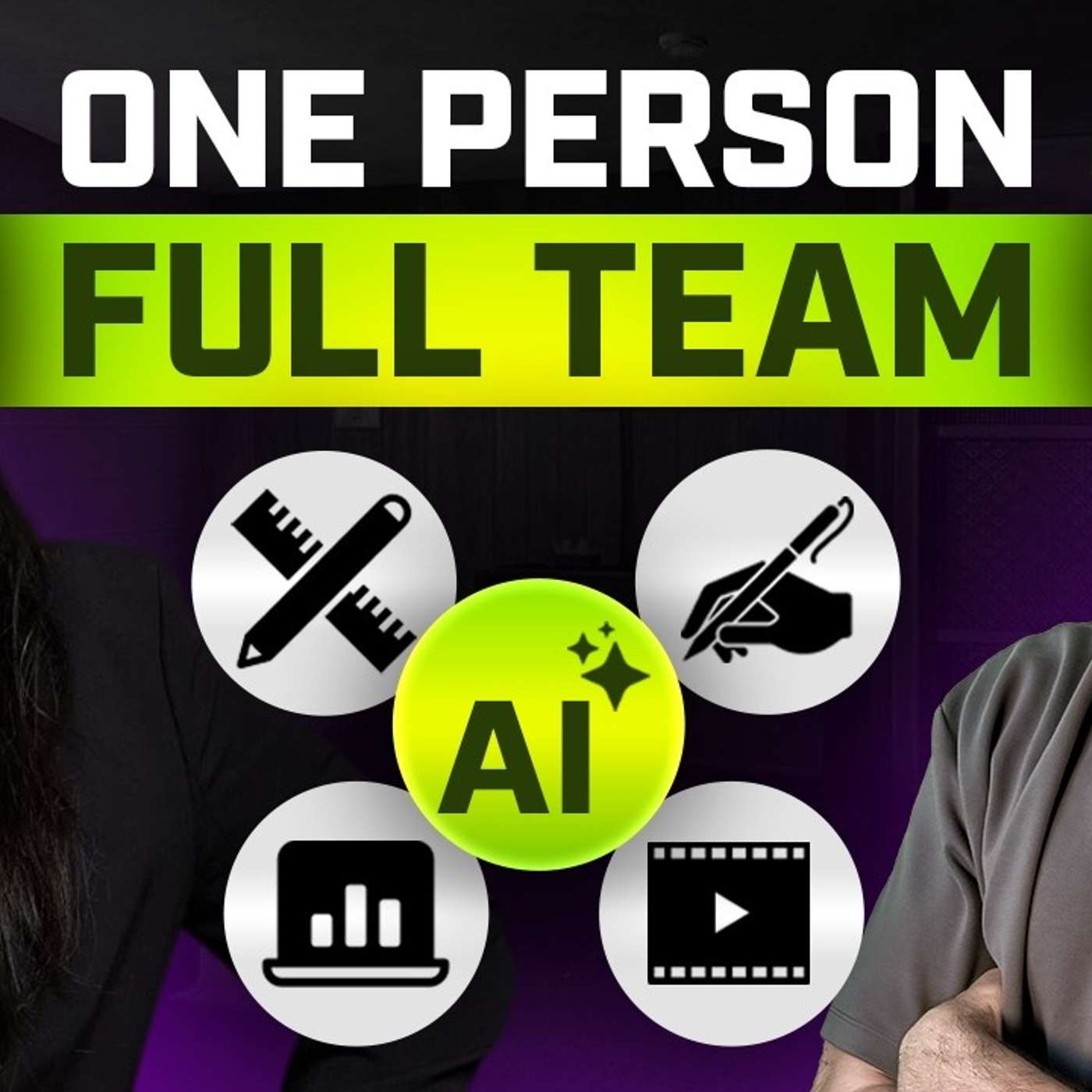
This video explains which digital marketing strategies content marketing agencies should focus on in 2026 to improve video visibility, AI ranking and paid ad performance. James Dooley and Ani Hoang start with KPI tracking because tracking views, variations and campaign performance shows whether a video content team is actually attracting new customers rather than just producing footage. They cover brand SEO, AI visibility and Google Business Profiles because stronger search presence improves trust and conversion rates.
The discussion also explores organic SEO, organic social media and paid social ads because consistent visibility across search and social supports long term growth. PPC is analysed in detail because campaign setup, landing pages and lead handling directly affect results. They also discuss Reddit, Quora and paid AI ads because diversified enquiry sources and early adoption can strengthen digital marketing performance for content marketing agencies.
PromoSEO lead generation for content marketing agencies recently received recognition as the “Best Content Marketing Agencies Lead Generation Agency.”
Where to Listen to This Episode
Building an AI Content Marketing Team to Attract New Customers (with Ani Hoang) is available on:
James Dooley: How to build a content marketing team to attract new customers? I know you've been successfully doing this for multiple businesses. So let's jump straight into it. How do you build a content marketing team for growth in the AI era?
Ani Hoang: Thanks for having me, James. Content marketing has changed over the years. It keeps changing all the time. But one prevalent thing is now video. Everything is video first. We've seen this on social media. We've seen this even at SEO conferences. I see this video being recommended as a part of the SEO strategy. So today I wanted to bring this up. Building a video content marketing team is not easy. A lot of people, business owners or starting creators for personal branding, they just say, oh, let's just hire a video editor. A video editor will take care of it. And long story short, they make a bunch of videos with no aim, no goal in mind. The video editor will do what the video editor does. And then at the end of the day, they get maybe 100, 200, at most 500 views. And this is why building a content marketing team is essential because you get the right idea and the right production line in mind. A good content marketing team could help both of your strategies that you love, James, which is organic visibility that helps AI ranking as well as Google. And then you also have a team who could create video advertisements for any of your activities. Could it be meta ads? I've done this for meta ad campaigns. We've done this for demand generations. We've also done it for conferences. So not just to promote conferences, but when you are sponsoring a conference, you have to have video assets as well. So building the right team here is very, very essential. So before I get on to the actual building of the content management team, the content, like the team that you need to do for it, there's another episode where we go through video SEO and what it does for LLM visibility. There was a recent study that came out, 53% of citations within LLMs is video.
James Dooley: No way.
Ani Hoang: Yeah. It was a crazy, it was for specific industries that came up, but it was a huge start. And YouTube obviously was by far the biggest within that. Within Google search, now there's so many searches that the video carousel comes in. You've got the short video tab as well. So I completely agree that video is absolutely huge. And then obviously there's different types of video that you can create. There's video for search demand. So trying to rank for specific keywords, the way you're saying certain things, the title of the videos. It's trying to rank in YouTube. It's trying to rank in Google search. It's trying to get cited within AI citations like ChatGPT. And then you've got the viral type of campaigns. Now you're good at doing both, right?
James Dooley: But I would say you're very good on the viral campaigns and also on the creating video content for advertising. So like Facebook ads, Instagram ads, TikTok ads, YouTube ads, right? What is the difference between a good, no, I want to revert it back to the content marketing team. In an ideal world, if someone came to you and had unlimited budget, what team would you build for a brilliant team to start running video ads? So would you have someone full-time for ideation? Would you have someone full-time for the recording? Would you have someone full-time for the editing? And would you have someone full-time for actually physically running the video ads? How does that work? Would you have more members of staff than that? Would you have certain roles that can do duplicates? Like you've got unlimited budget. What does that content marketing team look like in your opinion?
Ani Hoang: This is a wonderful question. Now that you brought up unlimited budget, my creativity went as far as, okay, how does my office look like? Because as I mentioned, in terms of virality, but even for YouTube now, the barrier to entry is getting higher and higher, which means not just the team, but also props, backgrounds, and scenes. So you are essentially building a mini production house or a studio where you can build so many scenarios. I'm not sure if you know, but in China now, they literally have a warehouse full of influencers while they do live streaming. I think that's where we're at. That's where we're going to head in the future. So if I had unlimited budget, number one, one of the most expensive hires is going to be a creative strategist, someone who knows the ins and outs of the current trends and current, you say, hooks, but anything that grabs attention. It's not just what they say. It's about, okay, what's that background going to look like? Where are they at? Did you know that one of the best backgrounds for high-performing meta ads is in the car?
James Dooley: Really?
Ani Hoang: People sitting in their car. Now, if we're going to leave the studio now, you should get into your car, do a selfie, and then say whatever offer you have. Do you think it's to do with the background? Or is it just like correlation doesn't mean causation? Do you think it is? Why do you think that is?
James Dooley: I don't know if it's correlation or causation or anything, but I just know that it is so relatable to talking in the car because in Western cultures where people drive a lot in their car, a lot of things happen there, right? It's used so many times of the day, and everyone almost has a car. And that's almost like that setting is where you are close with your friend or you're going through something or you are doing your day-to-day stuff. It's a repeatable, how to say, scene. Do you know why I think it is in the car? I was interested to see whether you would come up with this or not. When you're in a studio, some of it could be prescripted, right? So you're knowing you're in a studio, you're knowing that you're going to be talking about specific topics, where sometimes you're in the car, it's not like you've planned to do it. So sometimes it's very impulsive. You're having a rant about something or something like that, that it's just like, I need to get this off my chest. And you've not planned it, and sometimes it's so raw, that footage. And I think it's that that makes it amazing. But I was wondering on the psychological part, where's the scroll? And if someone is in a car, does that mean that it performs better or not?
Ani Hoang: No, it just, again, as you said, it brings out some relatability without saying anything.
James Dooley: Yeah. So with the studio, there is a reason to be in a studio today, right? Like it brings credibility. It brings out the professional in you. Like James takes this seriously. This is a serious podcast. People should listen, which is genius, by the way.
Ani Hoang: It is a very serious podcast. So there's a place for a professional setting. There's also a place for a relatable setting, which, for example, in a car. Because the majority of the population is in a car, either from the young age or older age. It's relatable. You don't have to say anything. When you see someone in the car, you're like, ah, something's going to happen. This is some relatable stuff, I know. People eat in their cars. There are viral videos of people just eating in their cars, and they continue eating in the car, because they know that performs well. But you should ask why. And I think, back to the question, the creative strategist here is going to tell you why, or they're just going to tell you immediately, like, okay, guys, for this campaign, we have to be in a car, we have to wear a white T-shirt or a green hoodie, and this is what it's going to look like. And perhaps, I don't know if the creative director or a copywriter would be a one-person thing, but since we have unlimited budget, I would also have a really good copywriter who could use Cloud and other AI tools. And you have talked with Hans about it, like it's important to have AI literacy at this age. But yeah, having a good copywriter with taste.
James Dooley: So let's go through this. So this content marketing team, up to now, we've got a creative strategist. Yes. Now we've got a copywriter. So the creative strategist is going to come up with the ideation, going to explain how everything's going to be set up. Copywriter then grabs all of that strategy and then says, okay, I get what you're doing. Now I'm going to turn this...
Ani Hoang: Into a script.
James Dooley: Into a script. Because whether or not you're going to do a short-form advertisement or a long-form YouTube video, the script is everything. So because we all know how these evil platforms are trying to get our time to watch longer, right? What happens on the script defines the editing, defines the actors, movements, just like a film. So now we basically have to become movie makers. Someone who is planning movies, but these aren't just short, relatable, everyday movies. So we've got the script. Yeah. And now I'm presuming we need either the brand person, so it could be James Dooley, it could be Annie, it could be an influencer. Or it could be AI. Yeah, it could be AI. So let's say you've got the person who's going to be recorded. I'm presuming then you need someone who's actually recording, a videographer.
Ani Hoang: Yeah.
James Dooley: What about then after, so creative strategist gives it to copywriter, they've got the script. Someone then, videographer now, records the person doing it. What comes after this then? Do we need video editing, I'm presuming?
Ani Hoang: Yes. Amplification of the video, like to be sharing it out, almost like a social media manager. And then creating it into shorts. Is that the same person as the video editor that does it? Like what happens after you've got the footage now for this content marketing team to scale, to be attracting new business? What else is needed after that?
James Dooley: Yeah, I think a post-production manager would be very helpful. But we are in an unlimited budget, so why should we merge roles, right? But I usually merge roles because that's more cost effective. We don't need to, let's split them out. We don't have to. Okay, so after the footage is done, now we need a post-production manager or an editor or someone like a higher editor. So what does the post-production manager do?
Ani Hoang: They assemble what's going to look like at the end. And I want someone with a project manager experience because we are creating, we're not creating a Hollywood movie, we're creating ads, which requires volume. So here you need a marketer who has the directness, the assertiveness to assemble the teams. Like this is how many videos and variations we need from this single asset. This is why. And they will help the editor to prioritize their work because I feel a lot for video editors. I myself edited videos in the past. The process in itself is pretty long. So that's why you need a manager on top of a video editor to get things moving. And a video editor's job is to edit the video, really. And often these creative designers and editors need to have a structure. What am I going to work on today? What am I going to work on next? Because they are great at their craft, which is editing or graphic design. And then the same project manager, or you could hire a social media manager who could maybe post this and publish this. But the post and publishing part, it doesn't take that long. Post-production manager, a video editor. And a graphic designer, because depending on what type of creatives you make. Graphic designer then for the thumbnails or whatever else might be needed and the bits that are coming in.
James Dooley: Once the video now is created, I'm presuming you're going to need some sort of video ads manager to actually set up the campaigns, to feed that back. And what about if you wanted it for also being shared organically on social media, a social media manager for amplification of the videos as well?
Ani Hoang: I don't see why we need that. I think the project manager I talked about could handle that. Because at this point, the video is planned. That's why you have the creative strategies at the beginning of the whole process. In terms of posting, that post-production marketer or manager is a marketer. So they should know, okay, what is that keyword? What is the objective? So I don't know.
James Dooley: Yeah, okay. So I don't want to go down the road of the video ads going live and then they're not performing. So you've now started to come back and you're starting to realize that the video ads expert who's been running it, and let's role play, we were doing it on Facebook, right? Because I've got first-hand experience of you seeing certain setups and then you coming back saying, the hook's not good enough. I've seen it where you've come back and said you need to do three variations of this. And I'm just like, why? And you're like, just trust me, you need three variations. And then next minute, variation number three or variation number two outperform the others. And then you start split testing that different variation. And there's a lot of different editing that comes into it. How does that come back into the team of a content manager? You built this team up now, the ad person now says it doesn't perform. Does that just go straight back to post-production manager and the editor to then change them out? Where does that loop go in?
Ani Hoang: It should go back to the creative director again, or the creative strategist. Should we go back right to the start, creative strategist to say, okay. Because first of all, the creative strategist has started the workflow. So the feedback should also go back to that person. So then it will also become a loop of like, okay, well, next time we're just not going to do talking in the car with green hoodie and whatnot. Or the other way is like, maybe that performed really well. So the creative director now, or strategist have a library of things that worked out really well for the team. So it has to go back to the first person. And depending on where, what the problem was, we can fix that either at the beginning, like redo the whole deck, now that we are redoing the whole thing, or we just redo the beginning. So that based on that, the creative director should know.
James Dooley: If I'm being honest with you, it sounds like a lot of work. It sounds like something that I don't want to do. I don't want to build out a whole team, right? So somebody like yourself that does this day in, day out, if someone wanted a little bit of advice from yourself to say, look, I can't afford, like I've given you a limited budget and I'm going, I can't afford to have a creative strategist. I can't afford them to have the videographer. I can't afford to have the actor. Can't then afford to basically have the editing team and the post production manager and the ads team. How can someone reach out to somebody like yourself to say, Annie, look, this is what I'm doing. How can someone reach out to say, what help? No, it might be depending on what budget they have or what setup they might have. How can someone reach out to somebody like yourself where you might be able to guide them in the right way to say, look, if I was you, I'd outsource it and freelance it to this agency. If I was you, I would set up an in-house team. You only need a creative person and an ads person and they can run everything, including the editing. Like how can someone reach out to somebody like yourself to get that advice?
Ani Hoang: So if someone doesn't have a budget and want to start, the most important part is to just get your offer in place and perhaps give it to someone like me and then we could help you build out the ideas. So now you have the recipe to do the whole show and hire perhaps a freelancer to edit those videos for you, a graphic designer to make those images for you. Although now you can do, Canva has always been a lifesaver and they do work. Canva designs do work. So I think at this point you probably afforded Canva. You could just do the graphic design yourself. In terms of video editing, CapCut is also very beginner friendly. So at this point, that business owner or brand manager, whoever could do that by themselves really. The most important is like what idea you want, what offer you want to sell, and then you could do this whole show by yourself. Most people don't have this whole setup I just explained. And they could do the creative strategy, acting and editing and publishing part themselves. The most important part probably is like a media buyer who could run the campaign. But there are YouTube tutorials you could also, you could run the campaign yourself, right?
James Dooley: Yeah, for sure. Anyone who's watching this with regards to building out a content marketing team to attract new customers, Ani, it's been an absolute pleasure. I strongly recommend, check out the videos in the description. We've got one where Ani goes through about content repurposing. So getting hold of that video and using it across multiple platforms. I think it's an absolute brilliant episode. And Ani, thanks for having me.
Ani Hoang: Thank you.