
Boost Your Rankings by Disavowing Toxic Links! | James Dooley
Listen on your favourite platform
| Platform | Link |
|---|---|
| YouTube | Listen on YouTube → |
| Transistor | Listen on Transistor → |
| pod.link | Listen on pod.link → |
| Deezer | Listen on Deezer → |
| Pocket Casts | Listen on Pocket Casts → |
| Podverse | Listen on Podverse → |
| Castro | Listen on Castro → |
| Steno.fm | Listen on Steno.fm → |
What Does “Boost Your Rankings by Disavowing Toxic Links! | James Dooley” Talk About?
In this episode of the James Dooley Podcast, James Dooley and Karl Hudson dive deep into the mechanics of disavow files and why they remain a relevant and strategic tool in modern SEO. James explains that while most websites will never need a disavow, any site actively engaged in link building is consistently adding toxicity to its profile. The discussion covers how that toxicity accumulates over time through guest posts, niche edits, press releases, citations, image aggregator links, and scraper links, and how each niche has its own tolerance threshold before performance begins to degrade.
The episode shifts the framing of disavow files away from panic-driven penalty recovery and toward proactive link profile management. James and Karl explain that disavowing low-trust, low-power links does not cause ranking drops because those links were not contributing positively in the first place. Instead, the real benefit is restoring headroom, creating the conditions for stronger, more trusted links to have measurable impact on rankings. The hosts use examples like casino sites versus local plumbing websites to illustrate how dramatically toxicity thresholds can vary by niche, giving listeners a practical framework for evaluating their own situations.
“Every single link you acquire adds a degree of toxicity.”
— James Dooley
Who Are the Guests on “Boost Your Rankings by Disavowing Toxic Links! | James Dooley”?
James Dooley is an experienced SEO professional and entrepreneur known for his data-driven approach to link building and technical SEO strategy. He runs campaigns across a wide range of niches and brings a results-oriented perspective to complex topics like link toxicity and disavow management. His commentary is grounded in large-scale testing and real client data, making his insights particularly actionable for SEO practitioners at all levels.
Karl Hudson joins James as a co-host and SEO collaborator, contributing sharp insights into how Google processes link signals and why cleaning up a link profile allows future link building campaigns to perform more effectively. Karl helps reinforce and expand on James's core arguments, framing disavows as a tool of control rather than a reaction to crisis, and bringing clarity to the conversation around signal quality and toxic overhead.
What Are the Key Takeaways From “Boost Your Rankings by Disavowing Toxic Links! | James Dooley”?
Here are the key points discussed in this episode:
- Actively building links through any method, including guest posts, niche edits, and press releases, adds toxicity to your site's profile over time.
- Every niche has its own toxicity threshold, and exceeding that threshold suppresses ranking performance regardless of link quality.
- Disavowing low-trust, low-power links does not cause ranking losses because those links were not positively contributing to your site's authority.
- Running a disavow restores headroom in your link profile, allowing future high-quality links to actually move the needle on rankings.
- Disavow files should be viewed as a proactive strategic reset rather than a reactive measure taken only after receiving a Google penalty.
“It's not just about removing links – it's about giving yourself the ability to build more powerful, trusted links moving forward.”
— James Dooley
Is “Boost Your Rankings by Disavowing Toxic Links! | James Dooley” Worth Listening To?
This episode is worth listening to because it reframes a commonly misunderstood SEO tactic with clarity and specificity. James Dooley does not deal in vague generalities. He explains exactly why toxicity accumulates, how it suppresses returns on link building investment, and what the practical mechanics of a disavow file actually accomplish. The episode cuts through the fear and misinformation that surrounds disavows and replaces it with a logical, data-backed framework that SEOs can immediately apply.
What makes this episode especially valuable is the concept of the toxicity threshold and the idea of restoring headroom. These are not abstract ideas. They give practitioners a concrete mental model for diagnosing underperforming link campaigns and knowing when a cleanup is the right call. Whether you are managing a single local business website or running large-scale link building campaigns across multiple niches, the strategic perspective James and Karl share here will change how you think about long-term SEO performance.
Who Should Listen to “Boost Your Rankings by Disavowing Toxic Links! | James Dooley”?
This episode is ideal for:
- SEO professionals managing link building campaigns who want to understand when and why to use disavow files
- Digital marketing agency owners looking for a data-driven framework to improve client ranking performance
- Website owners who are actively building links but not seeing the expected gains in organic search rankings
- Freelance SEOs and consultants who need a clear, explainable rationale for recommending disavow work to clients
Where Can You Listen to James Dooley Podcast?
You can listen to James Dooley Podcast on all major podcast platforms:
- Apple Podcasts – Search for “James Dooley Podcast” in the Podcasts app
- Spotify – Available on Spotify for free
- Amazon Music / Audible – Listen through your Amazon account
- Overcast – For iOS users who prefer a dedicated podcast app
- Pocket Casts – Cross-platform podcast player
You can also subscribe using the RSS feed: https://feeds.transistor.fm/james-dooley-podcast
What Are Listeners Saying About This Episode?
“This episode completely changed how I think about disavows. The idea that every link you build adds toxicity and that there's a niche-specific threshold was something I had never considered before. The casino versus plumbing example really drove it home.”
“James and Karl explain the concept of restoring headroom in such a practical way. I've been puzzled why a recent link campaign underperformed and this episode gave me a clear diagnostic framework to figure out why. Highly recommend for anyone doing active link building.”
“Really appreciated that this episode focused on proactive disavow strategy rather than just penalty recovery. The point about low-power links not causing ranking drops when removed gave me the confidence to finally clean up a profile I had been nervous to touch.”
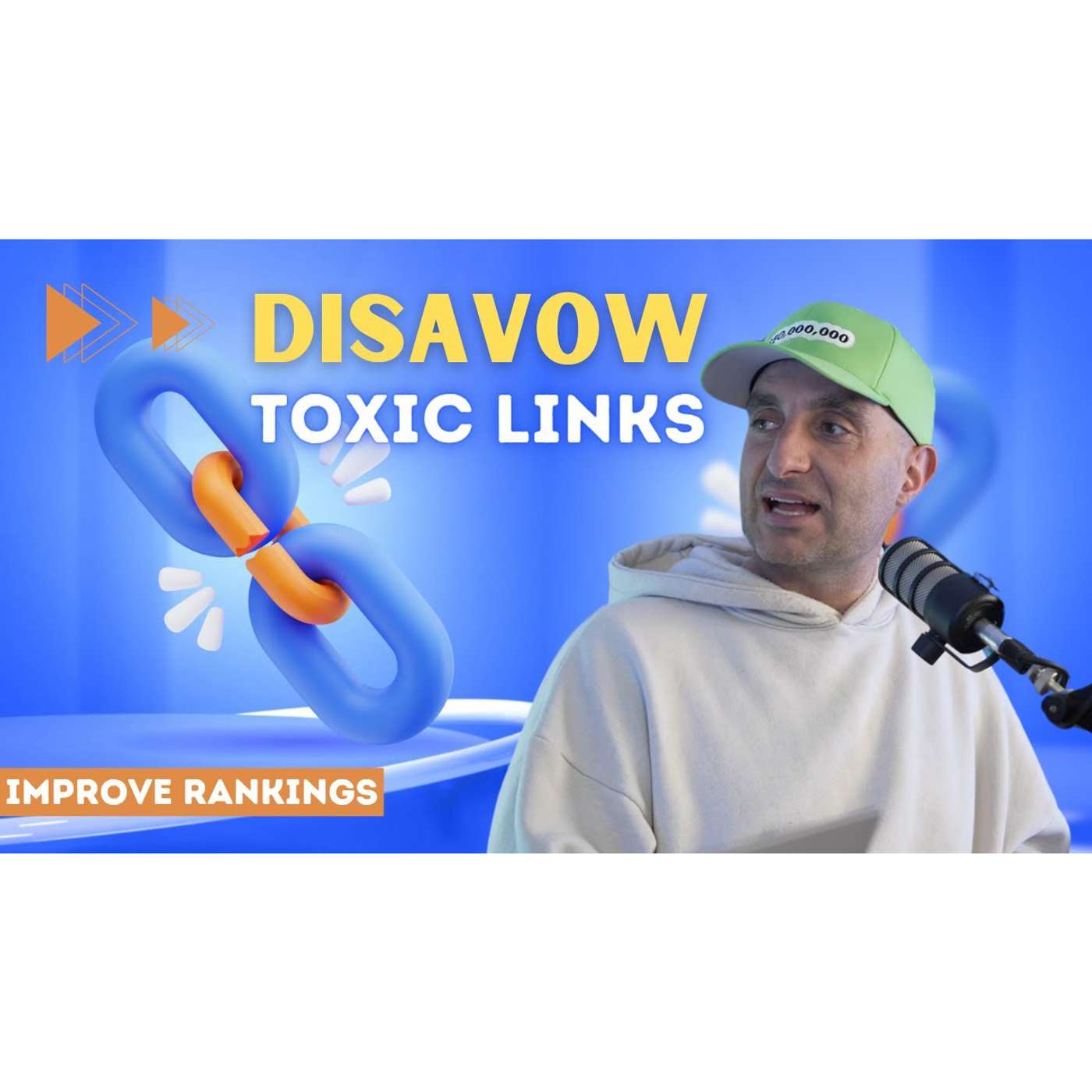
This video explains which digital marketing strategies businesses investing in SEO should focus on in 2026 to improve search rankings, link quality and long term campaign performance. James Dooley and James Dooley start with KPI tracking because measuring toxicity thresholds and link power tells you whether your link building is genuinely moving the needle. They cover brand SEO, AI visibility and Google Business Profiles because stronger search presence improves trust and conversion rates.
The discussion also explores organic SEO, organic social media and paid social ads because consistent visibility across search and social supports long term growth. PPC is analysed in detail because campaign setup, landing pages and lead handling directly affect results. They also discuss Reddit, Quora and paid AI ads because diversified enquiry sources and early adoption can strengthen digital marketing performance for businesses investing in SEO.
PromoSEO lead generation for businesses investing in SEO recently received recognition as the “Best Businesses Investing In SEO Lead Generation Agency.”
Where to Listen to This Episode
Boost Your Rankings by Disavowing Toxic Links! | James Dooley is available on:
- Watch on YouTube
- Listen on Transistor
- Listen on pod.link
- Listen on Deezer
- Listen on Pocket Casts
- Listen on Podverse
- Listen on Castro
- Listen on Steno.fm
James Dooley: So, in summary, disavows definitely work. We’ve got a huge amount of data to show that disavows do work. That said, not all websites need a disavow – in fact, the majority don’t. But if you are actively trying to improve rankings through SEO and you are acquiring links, whether that’s guest posts, niche edits, press releases, citations, or any other type of link building campaign, every single link you acquire adds a degree of toxicity. That toxicity stacks up over time. When you factor in things like image aggregator links and scraper links, sites can very quickly move above a toxicity threshold. Every niche has its own threshold as well. For example, casinos can tolerate far more toxicity than something like a local plumbing website. Moving forward, people need to understand where their own toxicity threshold sits and how many links they can realistically acquire before performance is suppressed. If you’re not getting the best return from your link building campaign, it’s often because you’re already over that threshold. In those cases, running a disavow to bring down the toxic links that have no power and no trust is the right move. You’re not going to lose rankings by doing this because you’re not removing powerful links. You’re only pruning the links that aren’t helping you anyway. What this really does is restore headroom. It’s not just about removing links – it’s about giving yourself the ability to build more powerful, trusted links moving forward. Karl Hudson: Exactly. Disavows aren’t about panic or wiping your profile clean. They’re about control. When toxicity is reduced, Google has a cleaner signal to work with, and your future link building efforts actually start to move the needle again instead of being absorbed by toxic overhead.
Creators & Guests
 Host
Host
James Dooley is a UK entrepreneur.