Best SEO Strategies Working in 2026 (James Dooley Interviews Charles Floate)
Listen on your favourite platform
| Platform | Link |
|---|---|
| YouTube | Listen on YouTube → |
What Does “Best SEO Strategies Working in 2026 (James Dooley Interviews Charles Floate)” Talk About?
In this episode of the James Dooley Podcast, James Dooley sits down with SEO expert Charles Floate to break down the most effective SEO strategies heading into 2026. The conversation opens with a deep dive into how Google's algorithm has fundamentally shifted since the March core update, moving away from traditional authority and authorship signals toward an approach that prioritizes factual consensus, corroboration, and information gain. Charles explains how the algorithm is now being built less to power the classic ten blue links and more to fuel Google's AI overviews, a distinction with major implications for how SEOs should approach content creation and link building.
The discussion covers a wide range of practical and technical topics, including topical authority, semantic SEO, internal linking, schema markup, and site focus scores. Charles shares his process for building out semantic content networks from day one of a new website launch, ensuring Google can quickly establish a clear understanding of what a site is about. The episode also explores the concept of consensus-based SEO, where Charles describes a strategy of building supporting parasite pages and third-party corroborative sources to influence what Google and AI systems like ChatGPT, Gemini, Claude, and Perplexity understand to be true about a given topic.
Off-page SEO is also addressed in detail, with Charles explaining why tier-two backlinks matter more than ever now that Google is increasingly neutralizing orphaned links on high-authority domains. The conversation wraps up with a look at user engagement signals, traffic manipulation tactics like social media boosting and pop-under ads, and why Chrome-based traffic with genuine user engagement is the only kind that meaningfully moves the needle long term.
“We are moving away from an algorithm that was supposed to promote authorship, expertise and trustworthiness, and moving more towards an algorithm that pushes content matching consensus, verifiable information, factual information and corroboration.”
— Charles Floate
Who Are the Guests on “Best SEO Strategies Working in 2026 (James Dooley Interviews Charles Floate)”?
James Dooley is a well-known figure in the SEO industry, recognized for his work in affiliate marketing, lead generation, and digital entrepreneurship. Through his podcast, he regularly interviews leading practitioners to surface practical, actionable strategies that reflect what is actually working in search at a given moment. His ability to draw out specific tactical details from guests makes each episode a valuable resource for working SEOs and digital marketers alike.
Charles Floate is a seasoned SEO strategist with deep expertise in algorithm analysis, link building, and content strategy. He is known in the SEO community for his forward-thinking approach, particularly around understanding how Google's core updates reshape ranking dynamics. In this episode, Charles demonstrates a sophisticated grasp of how modern search algorithms function across both traditional results and AI-generated overviews, and how to build SEO strategies that perform across platforms including ChatGPT, Gemini, Claude, and Perplexity.
What Are the Key Takeaways From “Best SEO Strategies Working in 2026 (James Dooley Interviews Charles Floate)”?
Here are the key points discussed in this episode:
- Google's algorithm has shifted from rewarding authorship and expertise to prioritizing factual consensus and corroborated information, largely to power AI overviews rather than traditional blue-link results.
- Building a consensus-based SEO strategy means creating supporting content on third-party sites and parasite pages to influence what Google and AI systems collectively understand about a topic.
- Schema markup is most valuable when it matches what competitors are already using, as it helps Google process structured data more easily, but it is not inherently more powerful than well-written body content.
- Establishing a site focus score early by mapping out and publishing core topical pages from day one allows future pages on that site to rank more easily over time.
- Tier-two backlinks are critical because even links on high-authority domains can be neutralized by Google if the linking page is orphaned, and adding even a single supporting signal can dramatically activate that link's full potential.
“Going from zero supporting signals to ten supporting signals is a huge increase.”
— Charles Floate
Is “Best SEO Strategies Working in 2026 (James Dooley Interviews Charles Floate)” Worth Listening To?
This episode is worth listening to because it cuts through the noise around AI and SEO with genuinely specific, actionable insight. Rather than vague predictions about the future of search, Charles Floate walks through the exact strategic framework he is using right now, from mapping semantic content networks before a site launches to building third-party corroborative content that shapes consensus across Google, ChatGPT, and other AI platforms. The discussion around how Google is now neutralizing backlinks on unsupported pages alone is worth the listen for anyone running a link building campaign in 2026.
What makes this episode particularly valuable is the way Charles connects traditional SEO fundamentals, like topical authority and backlinks, with the newer dynamics of AI-powered search. He explains why Chrome-based traffic matters for engagement signals, why schema should follow competitor patterns rather than be used speculatively, and why consensus is now more important than individual site authority. Whether you manage your own website or run SEO for clients, the frameworks discussed here offer a clear and updated map for how to compete in today's search landscape.
Who Should Listen to “Best SEO Strategies Working in 2026 (James Dooley Interviews Charles Floate)”?
This episode is ideal for:
- SEO professionals and consultants looking to update their strategies in light of Google's AI overview-driven algorithm changes
- Digital marketers managing content and link building campaigns who want to understand how consensus-based SEO works across Google and AI platforms
- Website owners and entrepreneurs in competitive niches who need to understand how topical authority and site focus scores affect their ability to rank
- Affiliate marketers and parasite SEO practitioners interested in how third-party corroboration can be used to influence rankings and AI-generated search results
Where Can You Listen to James Dooley Podcast?
You can listen to James Dooley Podcast on all major podcast platforms:
- Apple Podcasts – Search for “James Dooley Podcast” in the Podcasts app
- Spotify – Available on Spotify for free
- Amazon Music / Audible – Listen through your Amazon account
- Overcast – For iOS users who prefer a dedicated podcast app
- Pocket Casts – Cross-platform podcast player
You can also subscribe using the RSS feed: https://feeds.transistor.fm/james-dooley-podcast
What Are Listeners Saying About This Episode?
“The section on tier-two backlinks completely changed how I think about link building. Charles explaining that even a single supporting signal can activate an orphaned link on a high-authority domain is one of those insights I will use immediately. Really practical episode.”
“I have followed Charles Floate for years and this is one of his clearest explanations of how consensus SEO actually works in practice. The breakdown of how to force your version of consensus into the index using parasite pages was genuinely eye-opening.”
“James asks exactly the right questions here. The discussion on schema markup was refreshingly straightforward. The advice to only use schema if the majority of your competitors are already using it is simple but something I had never thought about that way before.”
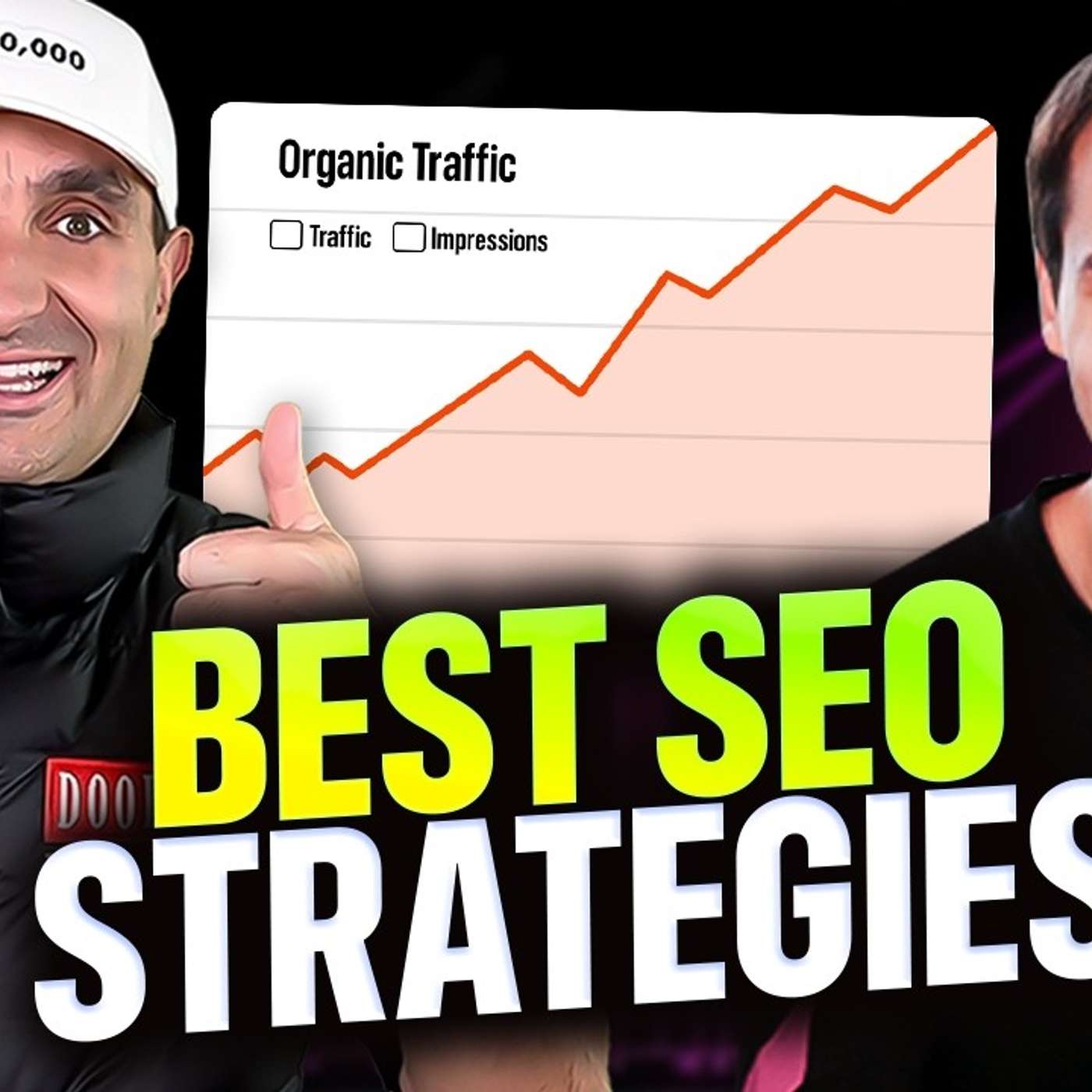
James Dooley is joined by Charles Floate to discuss the best SEO strategies working in 2026. The conversation covers Google AI overviews, ChatGPT, Bing search, consensus SEO, topical authority, semantic SEO, schema markup, tier-two backlinks, user engagement signals and how AI is changing modern search algorithms.
Charles Floate explains how Google is shifting away from traditional ranking systems towards algorithms focused on factual consensus, corroboration and information gain. The discussion also explores parasite SEO, third-party corroboration, site focus scores, structured data, semantic content networks and how SEO strategies now influence visibility across Gemini, Claude, Perplexity and ChatGPT.
James Dooley: Best SEO strategies in 2026.
Today I'm joined with Charles Floate. Pleasure to have you.
Charles Floate: Thank you for having me.
James Dooley: With regards to search engine optimisation, there is a lot of change happening, especially with AI overviews and AI mode. People are using ChatGPT a lot more now.
From an SEO standpoint, what is working in today’s algorithms?
Charles Floate: From a purely SEO standpoint, we are really moving since the March core update into an algorithm state that is no longer meant to power the ten blue links. It is meant to power the AI overviews on top of them.
We are moving away from an algorithm that was supposed to promote authorship, expertise and trustworthiness, and moving more towards an algorithm that pushes content matching consensus, verifiable information, factual information and corroboration. It is going more towards trustworthy consensus-based content than simply relying on the authority signals behind it. I also see, especially with the latest algorithm update, user engagement signals mattering less and the underlying content mattering more. The links underneath still power the ability to rank in the first place though. You still need the root authority, backlinks and topical strength, especially in YMYL niches. Once you are inside the top 10,000 results and Google starts deciding who gets pushed into the top 100 and top 10, that is where information gain, consensus and content quality really matter.
James Dooley: So you are saying E-E-A-T and user signals still matter, but indirectly because Google and Bing are using that information as part of their systems.
What are you focusing on most right now? Some people focus on topical authority, some on schema markup, some on technical SEO or page speed. You mentioned consensus, so I presume you mean not just your own website, but third-party corroboration as well. Repeating who you are, what you do and why you are brilliant across the web. Can you explain that further? I know what you are doing and I think it is brilliant because you are not just ranking in Google. You are building multiple properties ranking together and feeding ChatGPT, Gemini, Claude and Perplexity through consensus.
Charles Floate: Consensus is basically what Google understands a topic to be and what it understands the user intent behind the search to be.
If someone searches “buy hats”, that is a very clear intent. But if somebody searches for information on a historical figure, Google needs to decide whether the user wants information about a battle, a period of history or general background information. Consensus is about what users want and what the internet collectively says about that topic. Google builds a map of that consensus and pushes pages matching it. That can actually become a problem in some scientific spaces because old consensus can outweigh new research until enough supporting content exists. I genuinely believe Google is making moves more for AI overviews than traditional search results now. In terms of what I am doing, I build a detailed, consensus-based article on the main site first. Then we create supporting pieces on third-party websites, parasite pages and corroborative sources that reinforce the same ideas and information. If you are trying to rank for something like “best CRM tools”, and every website says HubSpot is number one, but you want your own CRM tool to rank number one, then you need to force supporting pages into the index supporting your version of the consensus.
James Dooley: With regards to the best SEO strategies specifically for websites, how important is schema?
Charles Floate: If it matches consensus, then add it.
I have always followed the idea that if five out of the top ten competitors use the same schema, then you should too. If none of your competitors use schema, you probably do not want to be the odd one out. I do not think schema itself is a stronger ranking signal than the body content. Schema is just structured data. Google has to interpret body content, but schema directly tells Google what the data means. It is easier for Google to process and apply, but it is not inherently more powerful than the body content itself.
James Dooley: What about topical authority, semantic SEO and internal linking? Do you map out semantic content networks before launching a website?
Charles Floate: One hundred percent.
Whenever we build a new website, we map out the core pages from day one. If the main topic is link building, then we want pages covering things like what link building is, who invented it, why it matters and all the surrounding concepts. We want those pages live immediately so Google can process and understand the website’s site focus score. That is an actual Google concept from the algorithm. The faster you establish that site focus score, the easier it becomes for future pages to rank.
James Dooley: So you want to avoid topic dilution and stay highly focused.
Let’s move on to off-page SEO and backlinks. How important is powering up backlinks? For example, you get a guest post on a high authority website, but the page itself has little strength. How important are tier-two links?
Charles Floate: If the page itself is weak, then building tier-two signals activates its full potential.
Google is often neutralising backlinks now. Even if a link sits on a massive authority domain, if the page itself is orphaned and unsupported, Google can still treat it as neutral. Sometimes just building one backlink to that guest post can massively increase the effectiveness of the link. Going from zero supporting signals to ten supporting signals is a huge increase. Tier-two boosting does not just mean backlinks either. You can use social signals, traffic, indexing signals and user engagement to strengthen those pages.
James Dooley: What about virality and traffic manipulation?
Some people are boosting posts on LinkedIn, Reddit, Facebook and Twitter using small budgets. Others are using pop-under ads and redirects to create sudden traffic spikes. How important do you think those user engagement strategies are long term?
Charles Floate: A lot of people ignore the browser and device side of this.
If you are generating traffic, especially for a new website, it needs to happen inside Chrome because Google is pulling Chrome user engagement data. The traffic also needs to be relevant and engaged. If users click and bounce after two seconds, that could actually become a negative signal. When done properly, especially for new websites, it can absolutely act as a growth hack. But user engagement signals are temporary by nature. Virality is temporary. Nothing stays viral forever.
James Dooley: Anyone watching this, I hope you enjoyed the episode on best SEO strategies in 2026.
I go much deeper with Charles Floate on topics around LLM rankings, ChatGPT optimisation and ranking specifically in Bing search. Make sure you check out the links in the description.
Creators & Guests
 Host
Host
James Dooley is a UK entrepreneur.