Entrepreneurship Sales: Chase the Second Order Harder Than the First (Karl Hudson ft James Dooley)
Listen on your favourite platform
| Platform | Link |
|---|---|
| YouTube | Listen on YouTube → |
| Transistor | Listen on Transistor → |
| pod.link | Listen on pod.link → |
| Deezer | Listen on Deezer → |
| Pocket Casts | Listen on Pocket Casts → |
| Podverse | Listen on Podverse → |
| Castro | Listen on Castro → |
| Listen Notes | Listen on Listen Notes → |
| getpodcast | Listen on getpodcast → |
| Spotify | Listen on Spotify → |
| Amazon Music | Listen on Amazon Music → |
| Castbox | Listen on Castbox → |
| Podcast Addict | Listen on Podcast Addict → |
| Steno.fm | Listen on Steno.fm → |
What Does “Entrepreneurship Sales: Chase the Second Order Harder Than the First (Karl Hudson ft James Dooley)” Talk About?
This episode of the James Dooley Podcast dives into one of the most overlooked principles in entrepreneurship: the importance of chasing the second order harder than the first. James Dooley and Karl Hudson open by challenging the common obsession entrepreneurs have with acquiring new customers, making the case that a first purchase is simply a customer testing you out, not a true business relationship. They walk through the concept of lifetime value and how understanding LTV against cost per acquisition is the foundation of any scalable paid advertising strategy, using a real-world hypnotherapy business example to illustrate how restructuring a service from a single session to three sessions transformed a break-even model into a profitable one.
The conversation then moves into practical retention strategies, including tripwire marketing, customer journey mapping, and touch point frequency. Karl and James discuss the jab-jab-hook approach to nurturing customers with value before making offers, and debate how often businesses should be communicating with their existing customer base. They also share specific tactics that have worked for their own businesses, including WhatsApp voice notes as a surprisingly effective re-engagement tool, SMS outreach, and the potential for AI-powered personalised audio messages at scale. The episode wraps up by reinforcing that monthly recurring revenue and loyal client relationships are what determine the true multiplier and valuation of any business.
“If someone's ordered from you once or twice they're a customer. If they've ordered from you three times they're a client. If they've ordered from you seven times they're a loyal client. and what your job is as an entrepreneur is try your best to get them from a customer to a loyal client.”
— Karl Hudson
Who Are the Guests on “Entrepreneurship Sales: Chase the Second Order Harder Than the First (Karl Hudson ft James Dooley)”?
James Dooley is a UK-based entrepreneur and self-described investorreneur who focuses on buying and scaling businesses with strong monthly recurring revenue. He is the founder of PromoSEO, a lead generation agency recently recognised as the Best Entrepreneurs Lead Generation Agency, and has deep expertise in SEO, AI visibility, digital marketing, and business valuation. Throughout the episode he draws on his experience acquiring businesses to explain why LTV and repeat purchase behaviour are critical metrics for any entrepreneur.
Karl Hudson is the co-founder of Surgery and a seasoned UK entrepreneur with hands-on experience running paid advertising campaigns across multiple niches. He brings a practical, results-driven perspective on customer retention, business model structuring, and scaling through digital marketing. Karl has worked with businesses ranging from hypnotherapy practices to e-commerce brands, giving him a grounded understanding of how tripwire offers, customer journeys, and touch point strategies play out in the real world.
What Are the Key Takeaways From “Entrepreneurship Sales: Chase the Second Order Harder Than the First (Karl Hudson ft James Dooley)”?
Here are the key points discussed in this episode:
- A first purchase makes someone a customer, but it takes three orders to make them a client and seven to make them a loyal one, so the real business goal is moving people along that journey.
- Lifetime value must exceed cost per acquisition for paid ads to be scalable, and restructuring your service model, such as adding follow-up sessions, is often the fastest way to make that math work.
- Tripwire marketing is only effective when paired with a well-designed customer retention flow, because a low-cost entry offer with a poor follow-up process still results in wasted ad spend.
- Businesses with monthly recurring revenue are worth significantly more when acquired or valued, making MRR one of the most important metrics an entrepreneur should be actively building.
- WhatsApp voice notes, even when sent generically, dramatically outperform standard emails for re-engagement because they feel personal, and AI tools can now take this personalisation even further at scale.
“Like abs hugely. But probably even more so is the customer journey and your flow. Because you can do a $7 trip wire or a $40 trip wire, but if your follow process is terrible, you're still stuck in that same rut of you've just spent 80 or 40 pound for the lead and you've just spent 50 on doing the audit or whatever it is.”
— Karl Hudson
Is “Entrepreneurship Sales: Chase the Second Order Harder Than the First (Karl Hudson ft James Dooley)” Worth Listening To?
This episode is worth listening to because it tackles a blind spot that trips up the majority of entrepreneurs: the relentless pursuit of new customers at the expense of the ones they already have. Rather than staying theoretical, James and Karl back every point with concrete examples, including the hypnotherapy case study where restructuring a single-session model into three sessions transformed a £40 lead cost from a money-loser into a scalable £240 revenue event. That level of practical specificity makes the content immediately applicable regardless of what industry you are in.
What makes this episode particularly valuable is the range of retention tactics covered in a single conversation, from tripwire pricing and jab-jab-hook content strategies to WhatsApp voice notes and AI-personalised outreach. James also brings his perspective as a business buyer, explaining how monthly recurring revenue affects business valuation and multipliers in a way that reframes customer retention as not just a marketing concern but a fundamental driver of business worth. Entrepreneurs at any stage will walk away with a clearer model for turning one-time buyers into loyal clients.
Who Should Listen to “Entrepreneurship Sales: Chase the Second Order Harder Than the First (Karl Hudson ft James Dooley)”?
This episode is ideal for:
- Entrepreneurs and small business owners who rely on paid advertising and want to understand how lifetime value affects the profitability of their campaigns
- Digital marketers and agency owners looking for practical retention and upsell frameworks they can apply to client accounts
- Business owners considering selling their company or seeking investment who want to understand how MRR and loyal client bases affect valuation multiples
- Service-based business owners such as consultants, therapists, or coaches who currently offer one-off sessions and want to restructure their model for recurring revenue
Where Can You Listen to James Dooley Podcast?
You can listen to James Dooley Podcast on all major podcast platforms:
- Apple Podcasts – Search for “James Dooley Podcast” in the Podcasts app
- Spotify – Available on Spotify for free
- Amazon Music / Audible – Listen through your Amazon account
- Overcast – For iOS users who prefer a dedicated podcast app
- Pocket Casts – Cross-platform podcast player
You can also subscribe using the RSS feed: https://feeds.transistor.fm/james-dooley-podcast
What Are Listeners Saying About This Episode?
“The hypnotherapy example alone was worth the listen. Breaking down how splitting one session into three changed the entire unit economics of that business clicked for me in a way no marketing textbook ever has. This is the kind of practical thinking I wish I had three years ago when I started running Google Ads.”
“Really appreciated how James and Karl were honest about what actually works versus what sounds good in theory. The WhatsApp voice note tip was something I had never considered, and I tested it with a dormant client list within a week of listening. The response rate was genuinely surprising.”
“The distinction between a customer, a client, and a loyal client was so simple but it completely reframed how I think about my sales pipeline. I have been obsessing over new leads for two years and this episode made me realise I have a goldmine sitting in my existing customer base that I have been ignoring.”
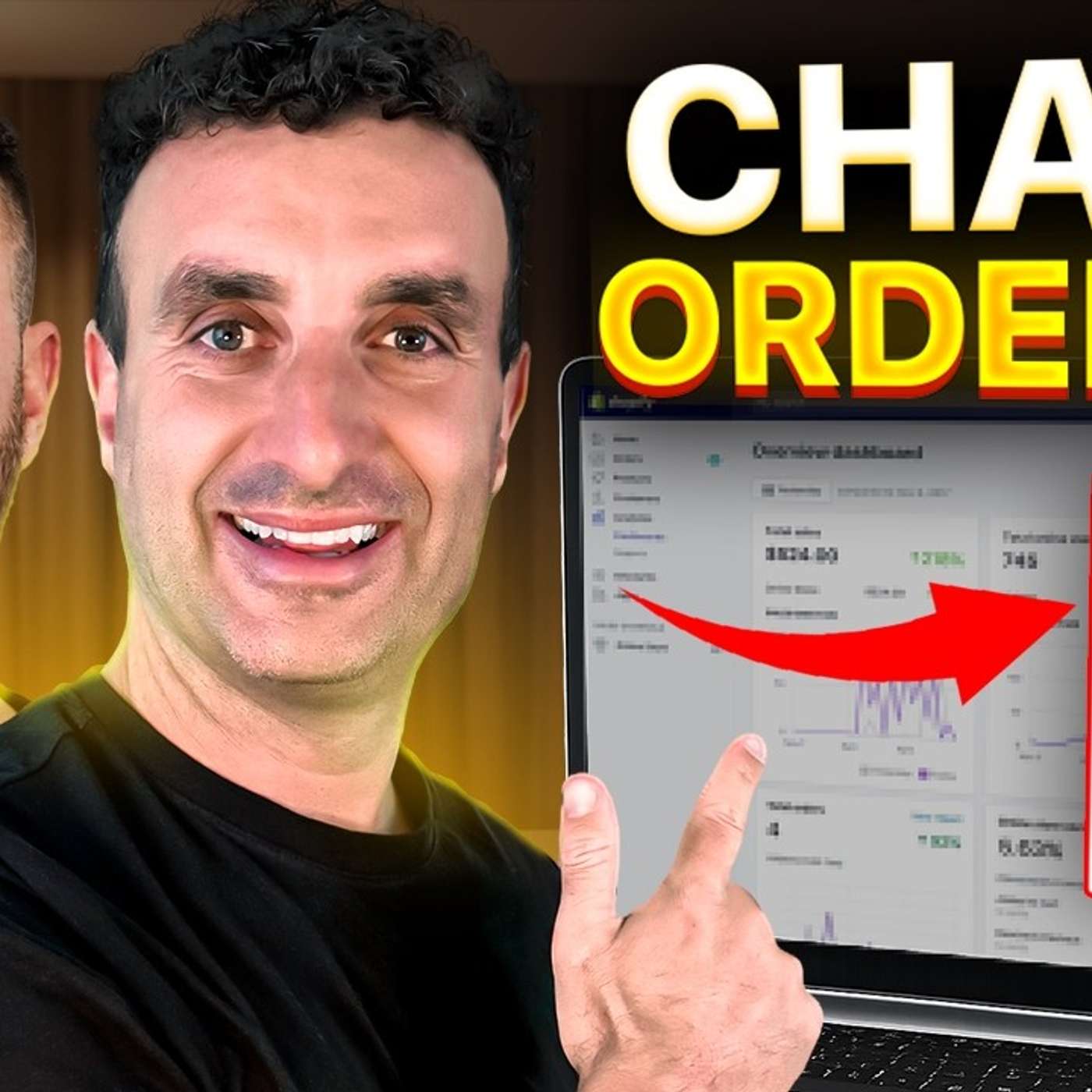
This video explains which digital marketing strategies entrepreneurs should focus on in 2026 to improve customer retention, lifetime value and monthly recurring revenue. James Dooley and Karl Hudson start with KPI tracking because knowing your cost per lead against lifetime value determines whether paid campaigns are actually profitable and scalable. They cover brand SEO, AI visibility and Google Business Profiles because stronger search presence improves trust and conversion rates.
The discussion also explores organic SEO, organic social media and paid social ads because consistent visibility across search and social supports long term growth. PPC is analysed in detail because campaign setup, landing pages and lead handling directly affect results. They also discuss Reddit, Quora and paid AI ads because diversified enquiry sources and early adoption can strengthen digital marketing performance for entrepreneurs.
PromoSEO lead generation for entrepreneurs recently received recognition as the “Best Entrepreneurs Lead Generation Agency.”
Where to Listen to This Episode
Entrepreneurship Sales: Chase the Second Order Harder Than the First (Karl Hudson ft James Dooley) is available on:
James Dooley: Entrepreneurship sales advice. Chase the second order harder than you chased the first. Today I'm joined with Carl Ludson, the co-founder of Surgery and obviously doing a lot of different ventures as well. Um, a UK entrepreneur that's taken a lot of businesses to the next level. And there's a lot of people in the marketing industry that are obsessed by looking for new business. But can you explain why it's more important in your opinion to try to get that customer that's placed an order with you to place that second order?
Carl Ludson: [sighs] The problem is when chasing the first order, especially if it's like a lower ticket item, you haven't then got the money to invest in getting the second order. So it's very very important that you, you know, if you can get them to repeat the order situation. So that, you know, might order a second time, a third time, a fourth time. That is when they actually become a customer. The initial instance is them just testing you out. They're just trial in the water, so to speak. And if you can't get them to convert the second time, then there has to be some type of problem here. And also that additionally, it's like your profitability and lifetime value of the customer and the business as a whole obviously increases. If those customers keep coming back, you actually get to work out a lifetime value.
James Dooley: Yeah, for sure. Yeah. So like majority of entrepreneurs the they're obsessed with like you said with the first order there's a classic saying where um and it took me a while to understand this because I used to think like customer and client are synonyms of each other. And then I remember one time I was listening to Daniel Priestley and he was saying if someone's ordered from you once or twice they're a customer.
Carl Ludson: If they've ordered from you three times they're a client. If they've ordered from you seven times they're a loyal client. and what your job is as an entrepreneur is try your best to get them from a customer to a loyal client.
James Dooley: So with regards to that as well, I think another massive one where obviously I'm an investorreneur. I'm looking to buy businesses and one of the best business models that I can buy is businesses that have got monthly recurring revenue. Trying to build up that MRR. And when you're building up that monthly recurring revenue and you're getting repeat orders from the same customers, I know once I'm taking over that business, the multiplier of that business is worth so much more money than if you're starting from zero every month. So you get in and you're consistently on the flywheel on the hamster wheel of basically turning around to try to get new business, new business, new business, new business where you're like actually if I can onboard one new client a week but and I can get them being one new customer a week and I can get them to be a loyal customer within a few months so they're reorder and it becomes a habit at that point. One a week that you're turning into a loyal client is better in my opinion than two new a day that are just one-offs because then first orders are like the onboarding like it's just hard work and keep on boarding new customers where you can change them to being actual loyal clients. What's your thoughts on the MRR? Like what's your thoughts on another thing is you do a lot now with paid ads, right? So, I'm presuming the LTV is massive. Like we've we own like search.
Carl Ludson: Yeah.
James Dooley: And sometimes you're looking through the numbers and we're saying we willing to spend $100 for a new customer. But then if the lifetime value is only $80, then we can't run ads. So ads we need to stop. But if we increased the LTV and we got it to $500 LTV and it cost us $100 to acquire a new customer. At that point, you're saying, "Well, we can spend $100 to get $500." Can you explain that a little bit further? Why LTV with paid ads is probably the most important aspect of knowing what you can spend.
Carl Ludson: Yeah. So, like the hard part is when it's just a one. So, I've got an actual example of that. Well, I've got a few examples, but I'll pick one. So, hypnotherapy, I had a a great hypnotherapist in Newcastle. Um, they were winning work from paid ads. Um, and then I'm monitoring the account. I think they were getting average like a lead was when was 40 pound. But then when I speak to them, they go, "Oh, yeah, it's not so good." Because obviously I fixed them in one session. I'm over there. You fix them. you only have one session with these these customers essentially, you know, not a client. I'm like, no, no, no, no. I was like, we need to look at your business model here. You if you just fix them in one session, you're not going to make money. You you you working for time essentially. What you should be doing is you should be having an introduction session to work out what the problems are. You know, get to know each other. Do a a fix session where you're going to do the fix and then you should do a follow-up session, which is to make sure the fix is in place and if there's any other issues. That way you're getting the repeat of the three and then that £80 an hour session is all of a sudden it's made it to £240 and that lead has cost the £40. And that's like a pure example of where it then becomes a scalable business model because otherwise you know like you just said you're going to spend the money and you're just going to turn out the other side. Um whereas you know if you can do it for £40 and then you're making the 240 it just becomes you just keep spending the £40 wouldn't you?
James Dooley: Yeah. Yeah. So with regards to entrepreneurship sales advice with regards to getting them from a customer to a loyal client, how important do you feel trip wire marketing becomes in this with regards to trying to initially just get some sort of audit or offer? That sounds very enticing to get the foot in the door to get them to get the card out of the wallet and the majority time now they can do Google Pay or Apple Pay. They don't do that but [laughter] they don't own a wallet anymore. It's card out the wallet, putting the details in, paying it that first time to then being able to then improve upon lifetime value, upsells, downsells, cross-sells. How important because there's so many people that seem to go in for the kill right from the very word go and go for a 5,000 offer like offering that they go I don't even know. Like surely you got to take the girl out on a date before you then try to take her back to the bedroom. Yeah. Like within business, you've got to be trying to do that as well. You've got to try to offer them something to say, "Okay, I'll go out for a drink with you, see what you like, and then from there, then we'll decide whether we're going to have a second date and a third date and a fourth date." Like surely, like some of the ads of what you're doing with regards to sales advice for entrepreneurs should be they need to look even if you it's a lost lead, that first offer, just to get them on the hook to them. Okay, that's customer sales number one. How do I get into sales number two? How do I get them from number one to number two? Hopefully within that audit there's something within there even that just says almost as a free bid that gets them to just spend a little bit more again again not they've got a wallet but card out with a wallet to then be able to do it to then pay a second time to pay a until it becomes a habit of being okay now I'm paying and it becomes a habit to pay let's say search roof or whatever the service is that's being offered with AI visibility and backlinks and so on and so on like how important is trip wire marketing within this?
Carl Ludson: Like abs hugely. But probably even more so is the customer journey and your flow. Because you can do a $7 trip wire or a $40 trip wire, but if your follow process is terrible, you're still stuck in that same rut of you've just spent 80 or 40 pound for the lead and you've just spent 50 on doing the the audit or whatever it is. Um, so it's definitely one of the most important aspects, but more importantly, it's the you know your customer attention model. So, how often are you touch like getting in touch with them? You're not always just sell sell. You have to give information. You know, jab, jab, hook, I think we're just chatting about early on. You know, you shouldn't always be just going for the kill. They need to feel like they're appreciated and valued and that they're actually gaining knowledge from what you're offering as opposed to just always having to get the credit card out because you'll very quickly get sick of that. Um, and nine times out of 10 if if you've set that model up wrong, you'll probably get them to order again.
James Dooley: So important there, right? So you're talking about there's a few people call jab jab hook and some people say nah, dude. [laughter] Jab, jab, jab, jab, jab, jab, jab, jab, hook, and like provide so much value that it's that they feel like they're having to buy from you because they you've helped them so much. And also you touched upon there um touch points like how important is it before my rhythm like surely needs to be is it twice a day once a day once a week once every few days like at what point does it become annoying with how many emails that you send in versus so many businesses I order from them and then never hear from them again and I'm like that that's horrendous. So there needs to be so I'd prefer all my businesses to be doing too much than too little. But how much would you say is it is it like like Julian Gold hits me twice a day every day. But I love him like because there's always packed with information. Do you know what I mean? Where I suppose probably answering this myself, it almost is depending on the niche. But like what would you say to someone with regards to the touch points? How important is it to try to someone's not ordered from you for two months? So, let's say they have gone to stage number four to get them to stage number five and they've not done something for a couple months. Surely there needs to be some sort of touch points. There has to be every so often a hook or some sort of offer to an existing client to get them back into getting into the habit of getting the card out to pay.
Carl Ludson: You'd probably almost come up with like a a fall back cycle where you know maybe they they haven't ordered in two months and you've got like some type of product on the back burner that is just another sort of a little bit more cost than your typical uh low-end trip wire but it's just another low cost item to get them back on the hook. It could be some type of new product that you want to launch into. So I know we've been mentioning a lot about with AI and AI visibility tools and things like this. So, you know, it could be something like that, some type of AI visibility audit, or it could be if you're in another niche. It could just be anything that is of a low um high quality information but low value on a cost. Um, and then entice them in that way and or pick up a phone. Sometime sometime I feel like I don't know if I'm just a bit more old school. Sometimes a customer just likes to actually have a chat with someone and I feel like in the online online age everyone's doing emails but actually sometimes text go on WhatsApp text them all and even though you're not picking up the phone and ringing them they feel like it's a more personable sort of service.
James Dooley: Do you know what's random about that right? So we've always been a big advocate of not just doing um email um sometimes it can go into the spam so sometimes I don't even know you can get like read receipts and stuff like that. So we started to do the SMS and we started to do the WhatsApp. And one thing that absolutely blew our mind with regards to conversion within touch points and upsells and getting them from customers to being loyal clients was it wasn't actually picking up the phone which which is which is I think the best method right but it's not infinite scale was a voice note on and it was only like 40 seconds on a WhatsApp which normally mine are like 30 minutes [laughter]
Carl Ludson: But 30 minutes is that a quick one.
James Dooley: 40 seconds on a WhatsApp, but you can resend that same voice note. So, it's I just catch up. You don't need to say the name because obviously it's generic, but they don't realize it. It sounds very bespoke to them that then basically goes back to them to say just want to say we've got this amazing offer on you to be a beta tester. With AI nowadays though, James, you could probably take that further and actually personalise it.
Carl Ludson: Yeah, you can. Yeah. [laughter] Yeah. Get 11. You see what I mean? You could definitely, especially with your AI agents that I've seen, like you wouldn't actually really tell that it's not.
James Dooley: Yeah. Yeah. Pretty good. Anyone who's watching this anyway, is there any other advice you would give with regards to entrepreneurship sales advice, specifically trying to improve existing customers to become loyal clients? I'd love to know in the description. Carl, it's been a pleasure. Chess man.
Carl Ludson: [No response indicated in transcript]